
Pack a little lighter.
Travel a little better.
Useful essentials for safari days, cooler evenings and the places in between. Adapt the list to your actual itinerary and carrier rules.
Your guide, at a glance.
01
For the days outside.
- Comfortable layers in muted colours for game drives and time at camp.
- A light long-sleeved shirt and trousers for sun, cooler hours and general outdoor comfort.
- A warm layer for early starts and the northern highlands.
- A light waterproof layer, especially when rain is possible.
- A hat, sunglasses and comfortable closed shoes. Add suitable walking footwear for the activities in your programme.
- Something relaxed for evenings at the lodge, with any specific dress requirements checked in advance.
02
The small things you reach for.
- A reusable water bottle, day bag and personal wash kit.
- Sun protection and other personal outdoor essentials suitable for your needs.
- A camera, spare memory and charging accessories. Binoculars make the smaller details easier to enjoy.
- A useful power bank and the right electrical adapter for your devices.
- Personal medication and documents carried accessibly, with any medical questions discussed with your clinician before departure.
03
Keep the important things close.
Carry the passport, entry documents, travel insurance and booking confirmations needed for your actual journey. Keep a separate digital copy of important documents and save the confirmed travel contacts before leaving.
Do not send passport scans or card details through a general website enquiry form. If a booking needs additional information, use the specific secure process agreed with your travel planner.
04
Pack for the connections you have.
Check the baggage allowance and bag type permitted by every airline in the itinerary, especially small-aircraft safari connections. A long-haul allowance does not automatically apply to a domestic sector.
Soft-sided luggage can be practical on safari, but the correct size and weight depend on the actual carrier and vehicle arrangements. Ask for the relevant rules before buying or packing a bag.
05
If the journey ends by the sea.
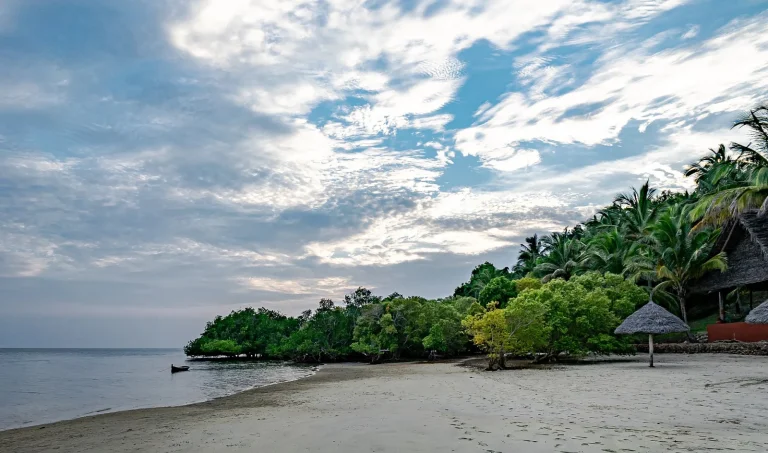
Add swimwear, a light cover-up, sandals and clothing suited to the coastal heat. Bring comfortable, considerate clothing for town and cultural visits as well as beach days.
If diving, snorkelling or other specialist activities are important, check the operator’s equipment arrangements and requirements in advance. Tides and marine conditions are part of the daily plan.
06
A mountain needs its own list.
A safari packing list is not a Kilimanjaro equipment list. Ask the mountain team for the route-specific clothing, footwear and equipment requirements, and confirm what is supplied, what can be hired and what you need to bring yourself.
Use the pre-climb briefing to review the kit and the daily routine. The right preparation is specific to your route and the support arrangements, rather than a generic shopping checklist.
A question
for our team?
A little more detail can make planning much easier. Ask us about your own dates, route or travel party.
Let’s turn your ideas
into a journey.
The places. The pace. The little details.
Tell us what you have in mind.