
Fewer rushed connections. More time for the moments you came for. Find a safari pace that feels like yours.
3 min read
A little inspiration for your next journey?
The first question in a migration safari is often “Which month?” A better second question is “Which part of the Serengeti?” The herds move through a vast ecosystem, so a beautiful camp in the wrong corner can leave you a long way from the experience you imagined.
Think of the Great Migration as a continuing journey rather than an appointment. Your dates help narrow the planning area; local conditions help shape the final days. No itinerary can promise that the herds will cross a particular river at a particular hour.
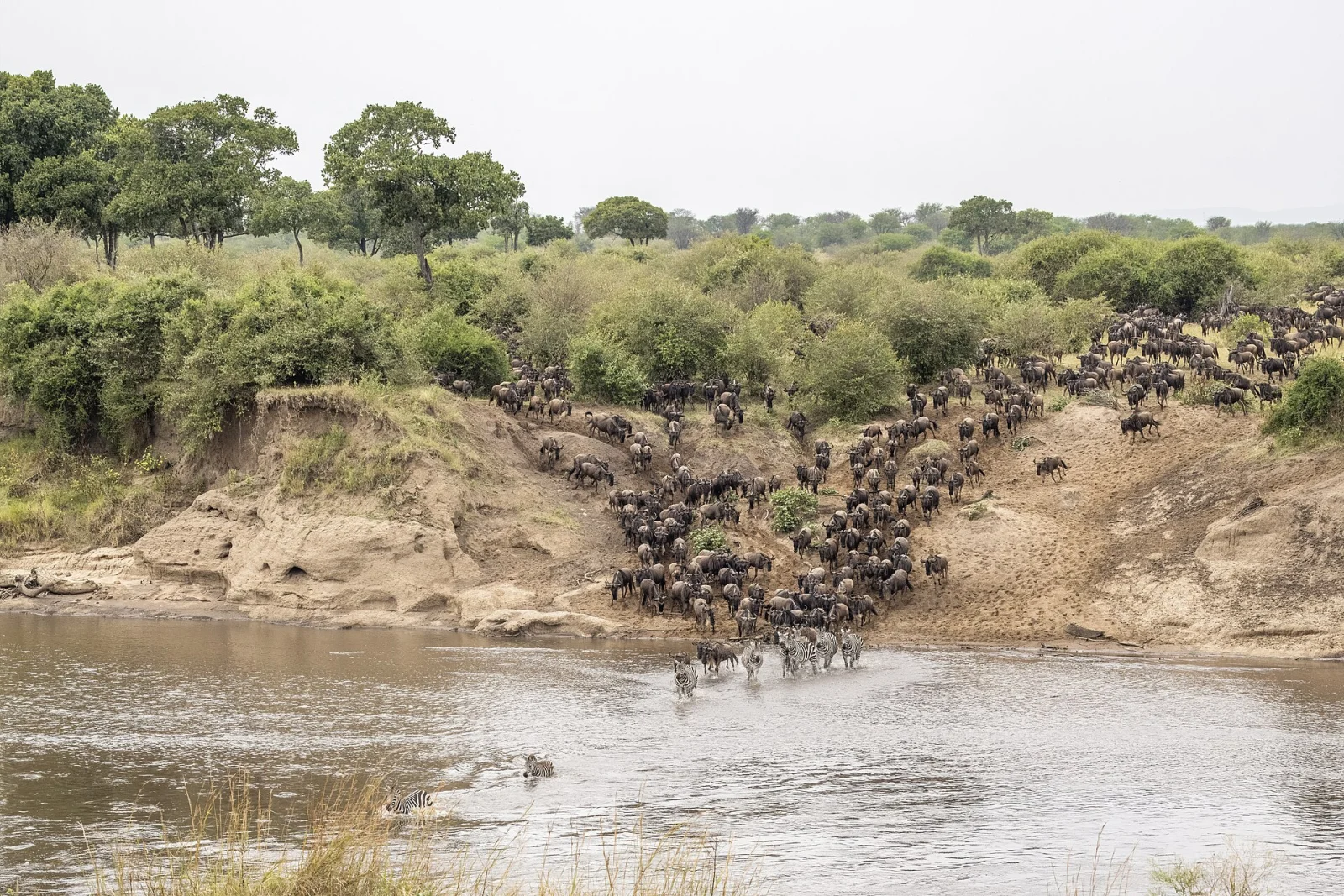
A river crossing, a calving-season landscape and the sight of herds spread across open plains are different reasons to travel. Tell your planner which matters most. A general wildlife safari can still be extraordinary when it gives the landscape time, rather than measuring every day against one event.
It also helps to decide how you like to watch. Some travellers enjoy waiting in one area, while others prefer a wider circuit with varied scenery. Your guide can work with both approaches, but the route should make that choice deliberately.
TANAPA highlights the drier June–October period for migration planning and January–February for calving. Tanzania Tourism also describes migration viewing as a year-round possibility, with the right location changing through the cycle. These are starting windows, not a timetable for the animals.
For a northern Serengeti plan, ask how the proposed camp connects to the areas you hope to explore. For a southern-season plan, check the actual operating dates and location of the camp. Keep the discussion specific to your dates rather than simply choosing a property with “migration” in its name.
Start with the days outside, then choose the room you return to. A fixed lodge and a seasonal camp can offer very different positions in the wider landscape. Look at the complete journey: the flight or drive in, the number of full days available, and the onward connection.
Two properties can both describe themselves as Serengeti stays and still serve different plans. Ask your planner to explain why each proposed overnight belongs in your route. A clear answer is more useful than a long list of attractive photographs.
A short visit can work, especially when connections are simple. If the migration is your main priority, consider what an additional night would actually give you: another full morning, more flexibility with the weather, or the chance to return to an area without immediately packing again.
Keep some curiosity for everything around the herds. Birds, smaller animals, changing light and the quiet between sightings are part of the Serengeti experience. A patient safari makes space for them too.
Before confirming, ask which area fits your dates, why the proposed stay is there, how many full safari days you have and what happens if local conditions change. Your written proposal should explain the route and included arrangements without guaranteeing wildlife behaviour.
FROM THE ARTICLE, TO YOUR JOURNEY
Fewer rushed connections. More time for the moments you came for. Find a safari pace that feels like yours.
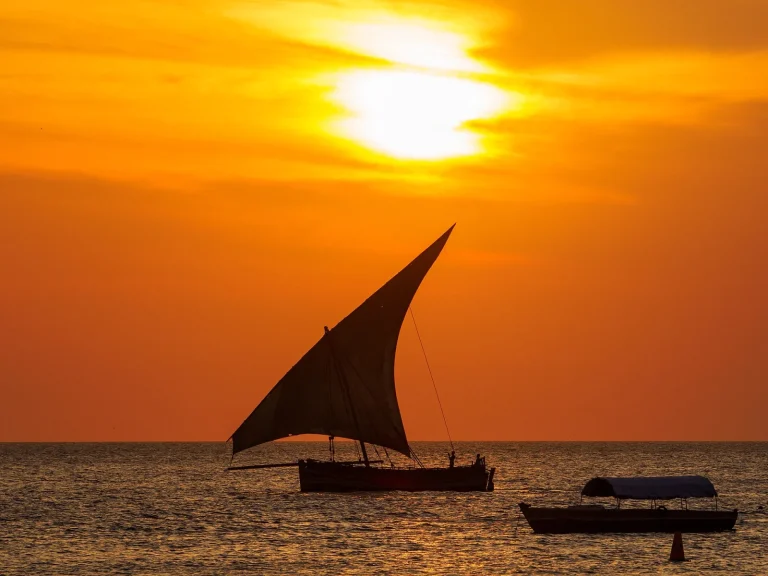
Wildlife days and island time can belong to one beautiful journey. The connections are what make it flow.
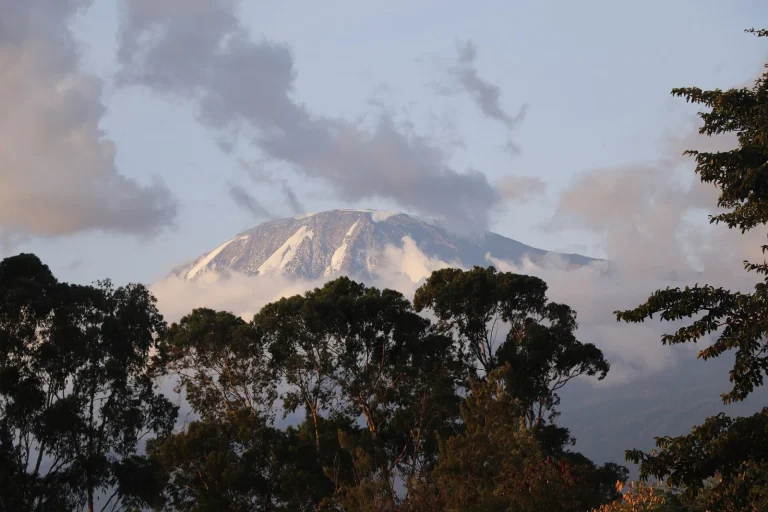
Look beyond the route name. Compare actual mountain days, overnight arrangements and the complete shape of the climb.
The places. The pace. The little details.
Tell us what you have in mind.